
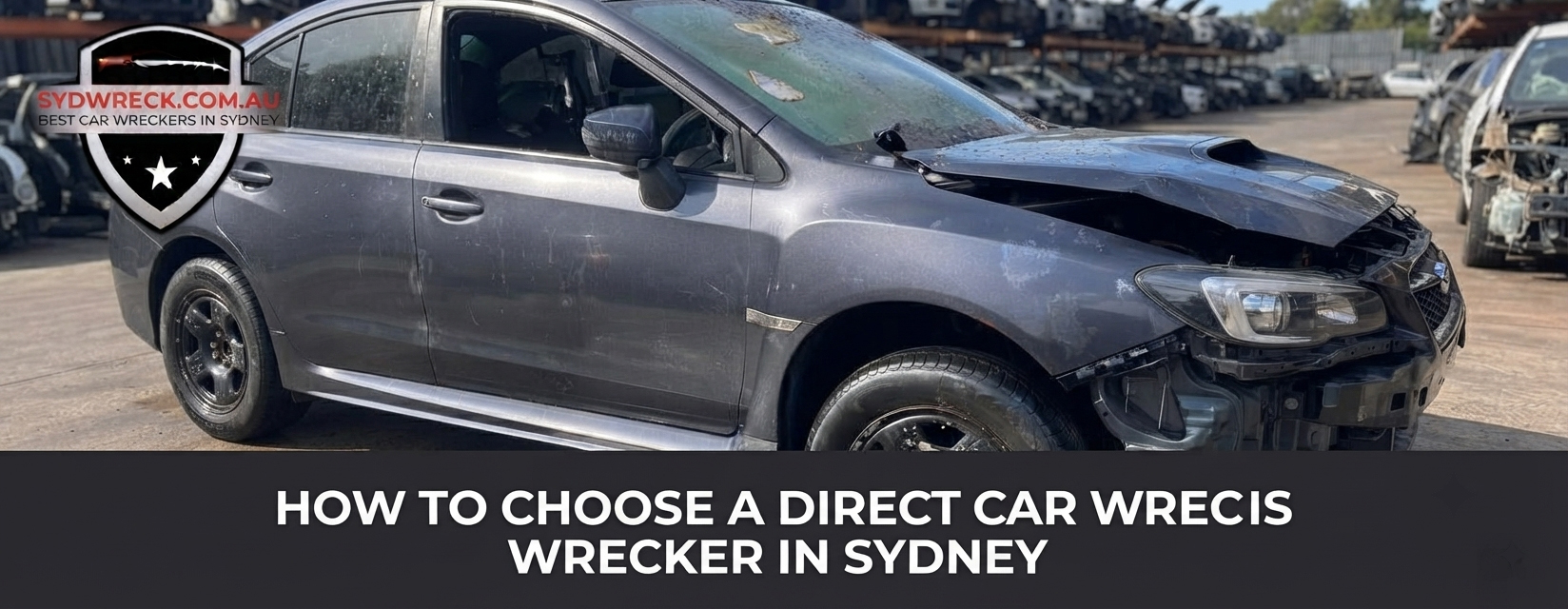
Selling a wrecked or unwanted car becomes easy once you know your opponent and know about the process of collecting the vehicle. The first party that will deal with the vehicle is the direct car wrecker that will use the vehicle for dismantling, parts or recycling. In some cases, the service provided might help you sell the vehicle to another customer.
It is important to know who is buying your car, the process of collection and whether the price offered by them covers all the terms agreed upon. Sydwreck assists vehicle owners in Sydney with their car removal, unwanted cars and vehicle recycling based on the condition and location of the vehicle.
What Does a Direct Car Wrecker Do?
The direct car wrecker takes care of such cars in order to use the car for purposes like dismantling. Recovery of parts and separation of materials that might be reused or recycled.
On the arrival of the car at the wrecking yard, state of the car can be evaluated, and parts that might have some value and can be reused can be identified.
The rest of the car can now undergo the process of dismantling and separation of materials.
To the owner of the car, knowing this process will give him an insight into the reason why the wrecker would need an old and damaged car even if it cannot be used for day-to-day activities.
Why Do Some Car Owners Use Intermediaries?
It could help in making the process of selling cars convenient for both the car owner and the buyer or service provider. The owner may not always be able to know who will be purchasing the car.
It does not necessarily mean that using an intermediary would be wrong. What matters most is understanding the entire process.
It is important to find out if you are dealing with the actual firm that will purchase or scrap your vehicle, if there will be another firm that will take the vehicle from you.
Whether there are any referral costs or administrative fees. This could be useful in comparing offers.
Need to sell or remove an unwanted vehicle? Call 02 9091 3593 to discuss your vehicle and collection requirements.
What Should Be Included in a Car Removal Quote?
A car removal quote should be assessed based on the complete details of the vehicle and collection rather than the quoted amount alone. Before accepting, confirm what vehicle is being valued, where it will be collected from, whether towing or removal is included, and whether any additional conditions or charges apply.
Providing accurate information about the car’s condition and pickup location upfront can help ensure the quote reflects the actual removal requirements and minimise misunderstandings during collection.
How Should You Compare Car Wrecker Offers?
It is important not only to evaluate who offers the highest amount. It is necessary to assess what kind of offer is made for your particular vehicle.
For instance, one offer includes the option of vehicle collection, whereas another involves the necessity of vehicle transportation by the owner. The third quote depends on vehicle availability, condition, or documentation.
The right comparison would involve the following considerations:
- Vehicle value: What is the amount discussed for your particular vehicle?
- Collection: Can the vehicle be collected from your address?
- Condition: Have the vehicle’s non-functioning or damage been considered?
- Payment: When and how will the payment be done?
- Costs: Are there any costs that need to be deducted or paid additionally?
In such a way, you will be able to compare the whole offer, not just the price.
What Should You Check Before Vehicle Collection?
After the vehicle has been sorted, some simple steps can be done to facilitate the process.
Ensure that there are no personal belongings left in the cabin, boot, and storage spaces. Look into glove boxes, door pockets, and other compartments carefully.
It ensure that any documents or personal belongings that you have are collected.
Also ensure that the correct pickup point is confirmed and the vehicle is accessible. In case the vehicle is parked in an awkward spot, has flat wheels, or cannot be moved at all, inform the collection company in advance.
Giving information regarding the state of the vehicle can facilitate the choice of the type of collection arrangement.
Selling an Old, Damaged or Non-Running Car
It is not necessary that the vehicle be fit on the road to qualify for collection. Old vehicles can still be in possession of some usable spare parts.
Damaged vehicles too can have parts that can be recovered from them after analysis. Non-operational vehicles will need to be transported through an appropriate towing or other mode of transportation rather than by driving to the yard.
While making your enquiry, clearly state the condition of your vehicle.
Information about whether the engine is running, whether the wheels rotate, whether there is any accident damage and whether there are any access problems at the pick-up point can be useful.
Final Thoughts
Choosing a direct vehicle wrecker becomes much simpler once you know precisely who is purchasing the car, what collection entails and how the quoted price has been determined.
While the quoted price may seem attractive, comparing everything associated with the deal – such as transportation and other terms – will give you a much better comparison.
If you live in Sydney, having accurate information about your car and clear communication may simplify the whole process of dealing with a non-operational vehicle.