It becomes tough to handle the car when it is wrecked, out of function, unrepairable, or just occupying space. SydWreck offers a sensible solution to the vehicle owners in Sydney who would like to talk regarding the disposal of their unwanted vehicles. The vehicle would be evaluated in terms of its age, state, brand, model and usable parts instead of considering all vehicles equally valuable.
Although the cars may be in varying states, some parts or other materials may be retrieved from it. Giving detailed information about the vehicle, its location and mobility will help in making the first inquiry easier. The accessibility of the vehicle, particularly if the car is inside the garage or behind other cars, must be informed prior to the arrangements of its collection.
What Vehicles Can Be Considered?
Different types of vehicles can reach the end of their useful road life for different reasons. A vehicle does not necessarily have to be completely destroyed before its removal is considered.
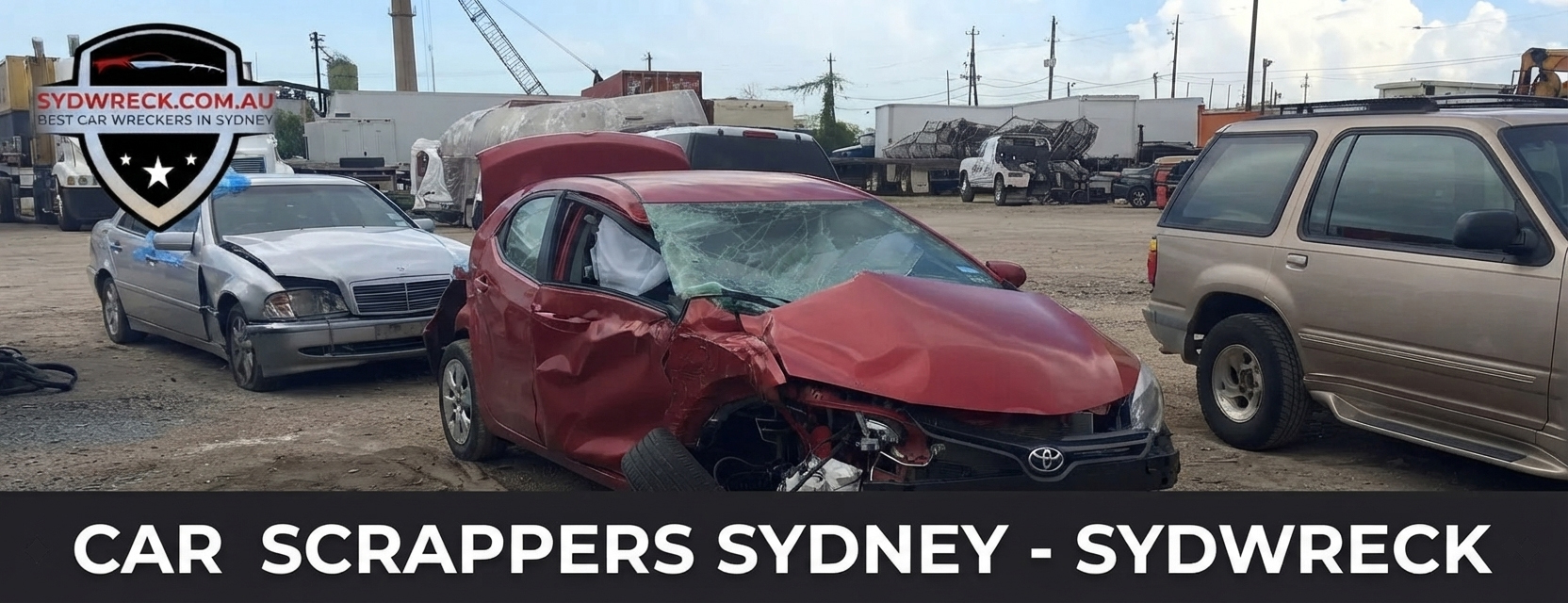
Damaged Cars – These kinds of cars, damaged in an accident, might not be feasible anymore to fix, but certain parts could possibly be recovered from the car.
Non-Running Cars – Cars which do not start or run anymore can be considered for collection. The cause of why it stopped running needs to be explained in the inquiry.
Older Cars – These cars, which might need constant repairing and maintenance, might not be worth it for their owners anymore.
Unregistered Cars – Unregistered cars can be evaluated depending on their state.
Unwanted Cars – Sometimes, it is just that the car is not needed anymore. Disposing of the car would be helpful.
Commercial Vehicles – Bigger kind of vehicles could also be considered, depending on their state and parts.
Is Your Old Car Ready to Be Removed?
Owning an unwanted vehicle for an extended period can result in many practical issues. Unused cars take up driveway or garage space, whereas old cars are becoming harder to maintain. Vehicle removal should be considered when:
- The car is no longer running.
- It has become uneconomical to repair.
- It is extensively damaged in an accident.
- It has been left idle for a considerable amount of time.
- It has lapsed in registration.
- It has been replaced by a new car.
- It is occupying space which could be put to use.
- It is no longer worth fixing.
The state of the car need not be conjectured. Listing out the actual condition of the car makes for an appropriate assessment of the vehicle.
How the Car Scrapping Process Works
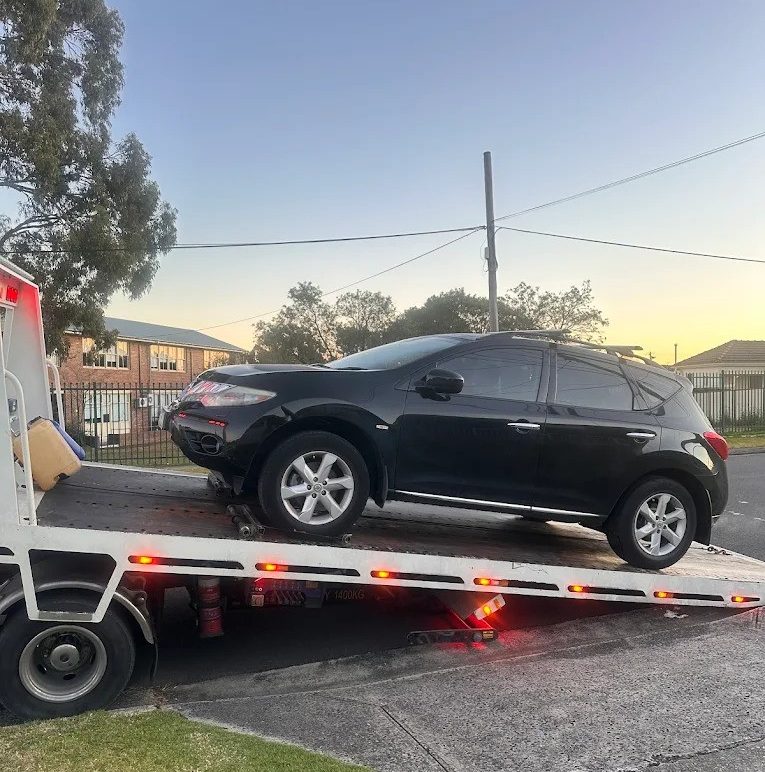
The process should be clear before anything is arranged. Here is a simple way to approach an unwanted vehicle.
1. Provide Vehicle Details – Share the make, model, year, condition and current location. Explain any major mechanical or accident damage.
2. Discuss Its Condition – The information provided helps establish what type of vehicle is being offered and whether any special collection requirements may apply.
3. Review the Quote – A quote can be discussed based on the available vehicle information. You can decide whether you want to proceed.
What Determines the Value of a Scrap Vehicle?
There is more to the valuation of scrap vehicle than merely considering its weight or its ability to start. There are several aspects that could be considered in the evaluation of scrap vehicle. The brand and the model of the car could matter in this regard since there are certain cars that have reusable parts or components.
Age and condition of the scrap vehicle would also influence its valuation since the scrap value of a new damaged car may differ from an old scrap vehicle that had been abandoned for a long time.
The condition of the reusable parts could matter, too, because there are certain components like engine, transmission, electric machinery, body parts, wheels, and headlights that could be usable based on their condition. This is the reason why information about the vehicle could be more helpful than just guessing its value based on its physical condition.
Reusable Parts From End-of-Life Vehicles
An unwanted vehicle might not be comprised of nothing but scrap metal. Certain parts may still be salvageable despite being from a car which cannot anymore be driven normally. Such parts could consist of:
- Engines
- Gearboxes and transmission
- Alternators
- Starter motors
- Lighting
- Mirrors
- Doors
- Bonnet and body
- Wheels
- Suspension
- Electrical
- Interior
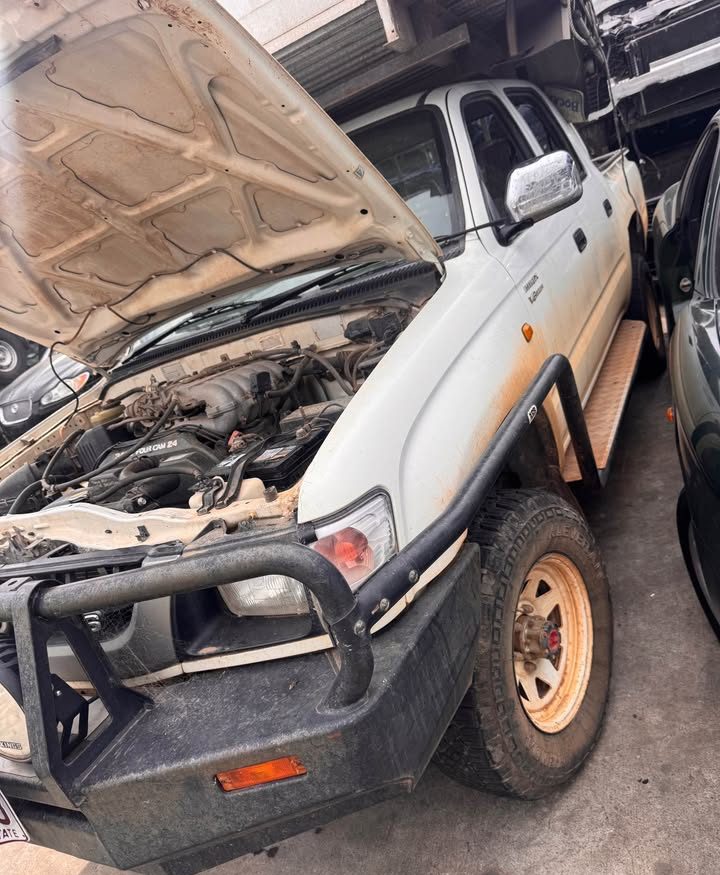
All of these components have to be evaluated on their own. Just because something is from a wrecked car does not mean that it will fit another car. Make sure you check your make, model, year, and condition of the component you wish to use.
Why Responsible Vehicle Recycling Matters
End-of-life cars have materials that can potentially be recovered without the whole car being thrown straight into the landfill. Recovery of components and reusable materials would help make use of the resources available in the car.
Recycling of a car may also help in recovering metals and other reusable materials that could go through more processing. These reusable components may help repair other cars when used appropriately.
However, this depends on how the car is handled, separated and processed after its disposal. This is the reason why the dismantling and recovering of materials from the car are crucial parts of the disposal process.
Why Choose a Straightforward Scrapping Service?
Clear Evaluation – The vehicle and its status will be evaluated prior to planning the collection process.
Various States of the Vehicle – Old, damaged, non-functioning and unwanted vehicles may be included based on their status individually.
Collection Process – Access and location of the vehicle may be discussed prior to pick-up.
Reduced Trouble of Private – The owner does not have to place an ad for an unwanted car or schedule various private viewings.
Part Recovery – Useful parts can be selected if their status permits it.
Material Recovery – Recoverable materials may be sorted out for recycling or further processing.
What Happens to a Vehicle After Collection?
Removal of unwanted cars does not automatically imply that all the parts from the vehicle become waste. After the vehicle is delivered to the appropriate place, it can be evaluated to establish whether some of its parts can still be used.
Some of the usable parts can be extracted and recycled for use, whereas metals and other materials can be extracted for recycling. The parts that cannot be recycled can be disposed of using the appropriate method.
The result will depend on the age of the vehicle, its condition and extent of damage among others. This ensures that more effective use is made of resources present in the unwanted vehicles.
Frequently Asked Questions