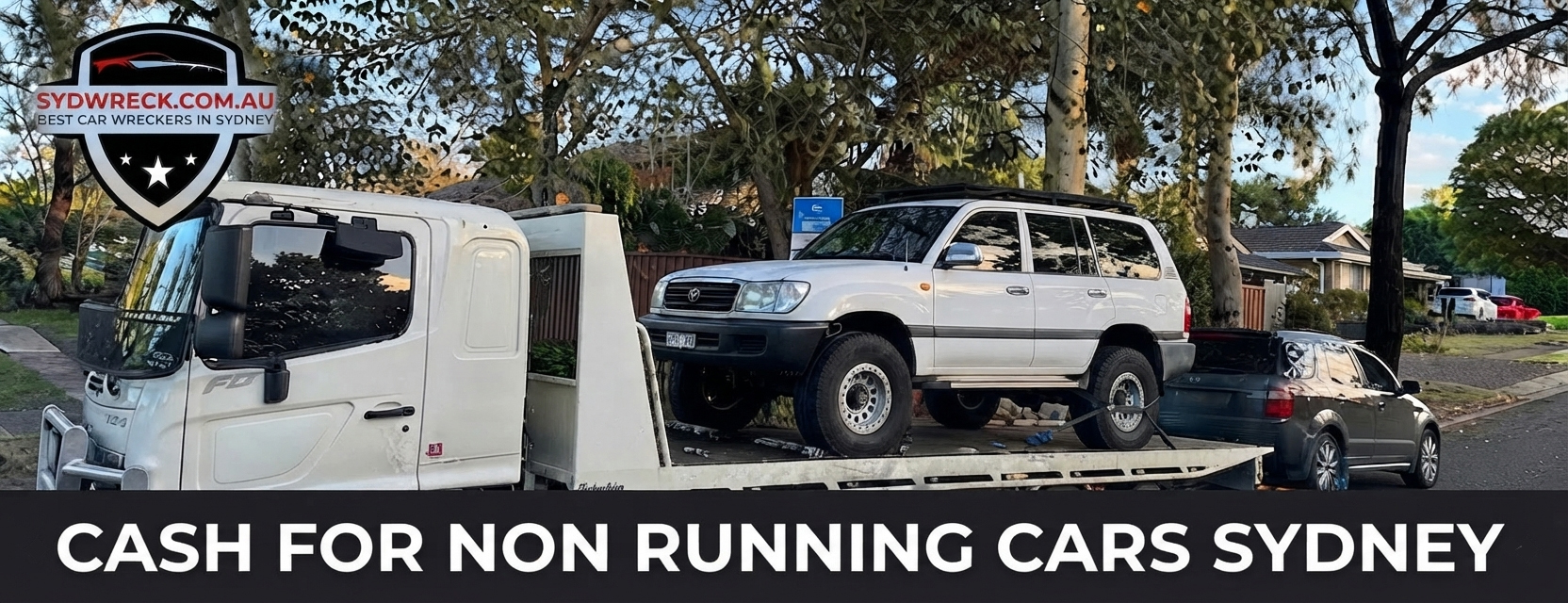
Selling a vehicle that has stopped working or does not start or move may be problematic if it requires repair work or has been sitting idle for a while, or it may simply be too hard to get to potential buyers. SydWreck offers a solution to the problem of selling a non-running cars and arranging its pickup from a convenient place for the car owner in Sydney.
This can be done on the basis of information provided about the make, model, year of manufacture, and condition of the car. It is not necessary to describe your car as being in tip-top shape; instead, it will be helpful to explain why the car is not in working condition.
What Types of Non-Running Vehicles Can Be Considered?
Non-running cars can be stopped for various causes. Some vehicles may experience minor mechanical issues whereas other cars might suffer from major damages or might have reached their life on the road. The service could pertain to:
Cars With Mechanical Problems – Vehicles affected by engine, transmission, electrical or other mechanical faults can be assessed according to their condition.
Accident-Damaged Vehicles – A vehicle that has been damaged in a collision may no longer be economical to repair, even when some components remain usable.
Older Unused Cars – An ageing car that has been parked for months or years may be difficult to sell through a conventional private advertisement.
Unregistered Vehicles – Owners can provide the vehicle’s registration status when requesting an assessment.
When Does Selling a Non-Running Car Make Sense?
It does not mean that each vehicle which stops functioning has to stay in one place forever. Sometimes the amount of money needed for the repair exceeds the actual value of the car. And there may be some cases when the owner just bought a new car, moved, or there is just no need anymore. In case of selling:
- The engine does not start.
- There is a mechanical problem with the car.
- It becomes harder to justify the costs for repairs.
- The car has been idle for a long time.
- The car was involved in an accident.
- The car is not appropriate for driving anymore.
- You have bought a new car.
- You want to get rid of the car.
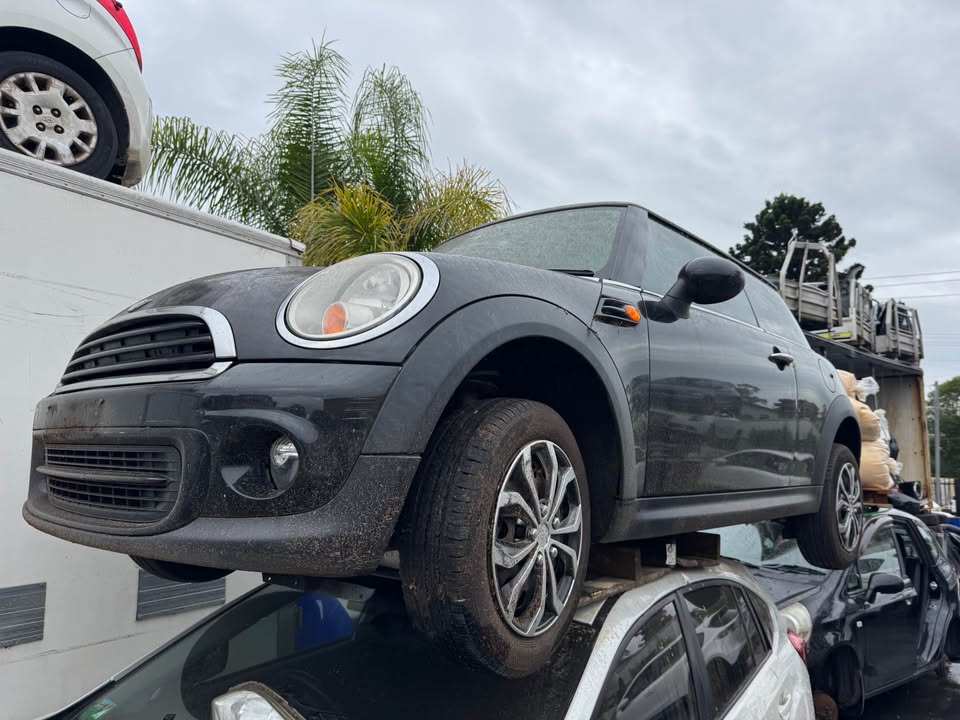
Every car is in a different condition, so it would be better to give some detailed information instead of estimating the price of the car.
How Selling a Non-Running Car Works
This process needs to be clear cut without necessitating that the owner make unnecessary processes.
Step 1 – Share Your Vehicle Details – State your make, model, year, condition, and location of the car. Also state whether it starts, runs or is damaged in anyway.
Step 2 – Discuss the Vehicle – From the information you give, an analysis will be made on the car and how it should be collected.
Step 3 – Check the Quote – A quote can be given on the information you have given. Decide whether to accept it or not.
What Can Affect the Value of a Non-Running Car?
A non-running cars is not valued solely on the basis that it is non-running. Various factors will affect the evaluation process, which may include the age of the car, make, model, and condition. The degree of mechanical damage is significant since a car with a simple problem is very different from one with severe problems. Damage to body, missing parts, interior condition, and availability of parts that are salvageable can also become an issue.
Weight of the car and the amount of recoverable parts may come into play as needed, while the demand for certain parts can vary as well. The location and accessibility of the car become more important in regards to collection process than the car itself. Therefore, being open about problems with the vehicle is better than omitting them in your quote request.
What Happens to a Non-Running Car After Collection?
Even though a vehicle cannot be used anymore, there can be various useful parts in it which can be retrieved. The vehicle can then be evaluated in order to find out the useful parts in it.
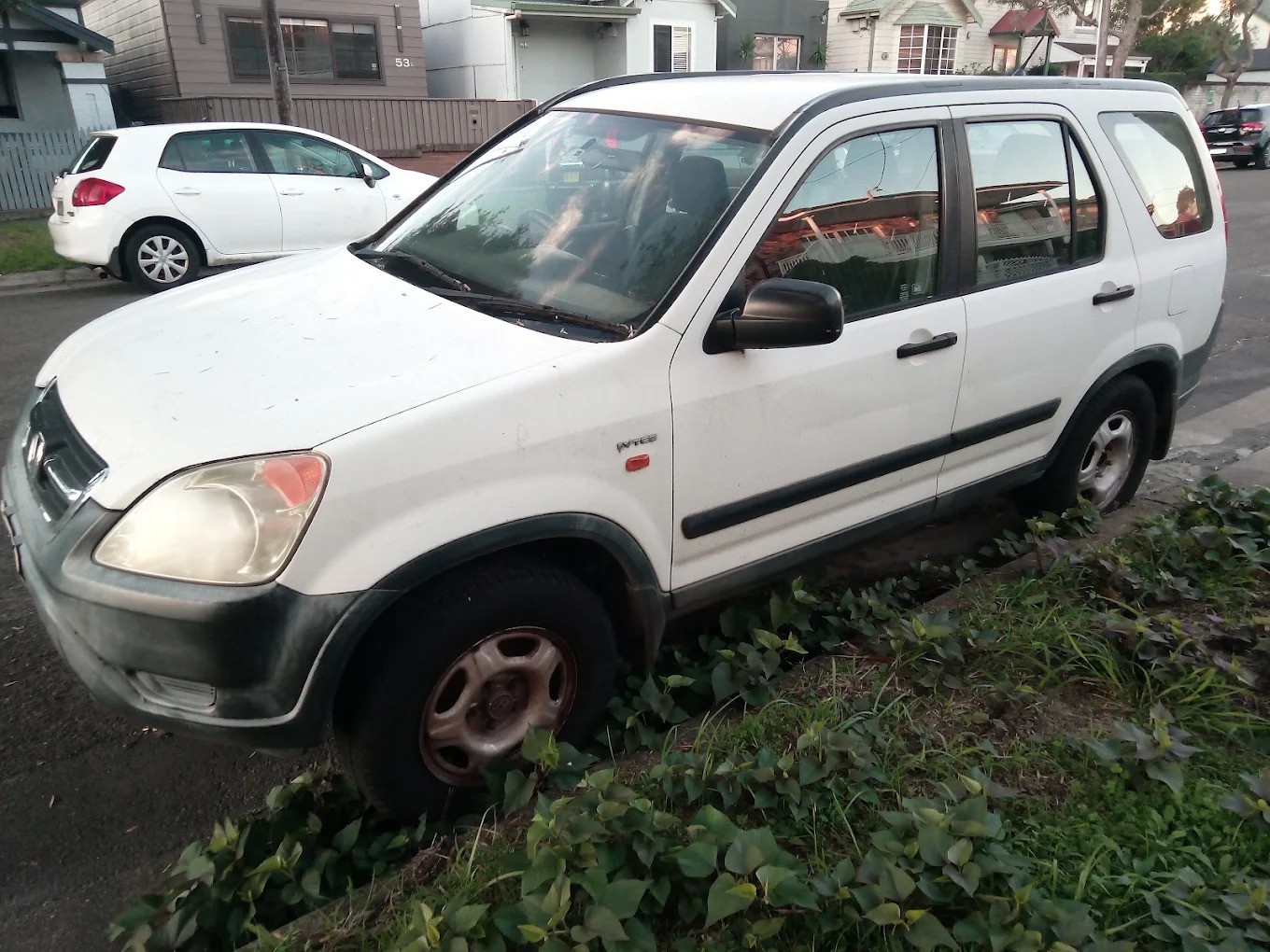
According to the condition of the vehicle, parts like engine, transmission, electrical parts, body, wheels, lights, and interior parts might be recovered. The parts that can be reused will be extracted while recyclable materials will also be segregated. Such an option ensures that there is some other use of the end-of-life vehicle rather than just discarding it as a waste. It all depends upon the state of the vehicle, parts inside it and their recoverability.
Why Choose a Practical Vehicle Removal Service?
Vehicle Information That Is Clear – The process begins with the reality of the state of the vehicle rather than assuming that the vehicle is driveable.
Planning for Collection – Pick-up procedures can be negotiated based on the location of the vehicle and its ability to travel.
Vehicles in Different States – Vehicles that do not run, have been damaged, are old, and no longer wanted can be assessed individually.
A Simple Inquiry – Owners are able to supply vehicle information and discuss the option without having to make an ad for sale of the vehicle privately.
Parts Removal – Appropriate parts and recycling items can be removed from vehicles after pick-up.
Sydney Region Services – Inquiries about collections can be made from various places in the region of Sydney.
Vehicle Collection Across Sydney
Non-running cars can be found in several different places around Sydney, which include the following: residential areas, offices, private garages, and any accessible place. The pick-up procedures vary based on where the vehicle is located and its condition, accessibility and availability.
When you get an estimate of the price, ensure that you include the complete location where the vehicle will be picked up. It will make things easier especially when the vehicle is not easily accessible or movable. This will make the information about the service helpful for real vehicle owners in Sydney and not just increase the number of suburb keywords.
Frequently Asked Questions