
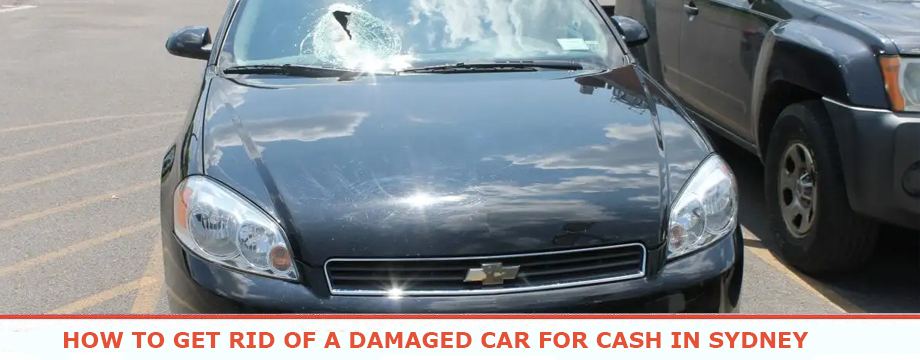
A damaged car can become a financial burden in cases where repair costs outweigh benefits, the car doesn’t start up anymore, or it hasn’t been operational for several months now. In such cases, getting rid of it by selling to a relevant buyer or vehicle recycler can be a realistic solution. Sydwreck assists Sydney residents in finding a way out regarding their unwanted or damaged vehicles.
The right way out will depend on the nature of the damage, the current value of the car, and other factors, including its location and documentation needed. It is important to know how the valuation is done, what is involved in the collection process, and what duties lie with the owner of the vehicle.
Is It Better to Repair a Damaged Car or Sell It?
Not every daamged cars that need to be sold immediately. Some car with small body part damage may be quite cheap to fix, whereas some other car with engine damage or significant collision damage may require considerable costs.
Compare the possible amount of money required for repair with the present value of the car and your future transportation needs. Consult an expert if you have doubts regarding the seriousness of damage.
- Repair cost: Would the total cost of the repairs exceed the reasonable value of the car?
- Safety: Is the car safe and legal to drive?
- Reliability: Are there any other parts that will need repairs soon?
- Time: Would the delay lead to some additional expenses?
- Alternative value: Can the car be worth anything else?
In case the cost and risk of repairs is too high compared to the profit that can be gained from them, getting a purchase offer can be helpful.
How Is a Cash Offer for a Damaged Car Worked Out?
However, not all damaged cars are equal. A quote must account for individual differences in the specific car rather than for the make and/or age of the vehicle.
The following characteristics could influence the quote:
- Make, model, and year: Each kind of automobile has its own parts availability and materials worth.
- Severity of damage: The type of damage may influence the recovery possibilities of the car.
- Condition of mechanical elements: It matters if there are the working engine, transmission, and other components.
- Completeness of the car: Absence of wheels, catalytic converter, batteries, etc. could influence the valuation.
- Parts and materials: Recoverable materials and potentially reusable parts could increase the value of the vehicle.
- Transportation needs: Availability, location and loading/unloading requirements influence the transportation procedures.
In the process of comparison, consider not only the figure itself but also if there are additional charges, if the price is subject to change after the evaluation of the car, payment methods and delivery terms. It is always a good idea to have a written contract for clarity.
How to Prepare Before Requesting a Quote
You don’t need to have a vehicle fixed just to enquire about selling it. But having precise information will help the first conversation be productive.
Here are things that should be known before you contact us:
- Vehicle description: The make, model, year, and registration number if available.
- Vehicle condition: Describe whether it works or has problems starting, running, driving, and if it has suffered major damages.
- History of damages: Indicate whether there were any accidents, flooding, fire, or the car was assessed by insurance.
- Location: Provide suburb name and indicate whether the vehicle is at home (driveway, garage), at work, or at some other place.
- Photos: Prepare clear images of vehicle exterior, interior, damage if any, and missing parts if any.
- Ownership details: Be sure that you have an authorization to sell the vehicle.
If there are any finance issues, settle them before selling the vehicle. Also be sure that you have authorization to sell a vehicle on behalf of others or a company.
What Should You Check Before Collection?
Once you have accepted an offer, confirm the arrangements rather than relying on an informal conversation. Ask the buyer to confirm:
- The agreed amount and any conditions that could change it.
- Whether vehicle removal or towing is included.
- The proposed collection date and time window.
- Whether the vehicle can be accessed and loaded safely.
- What identification or ownership documents are needed.
- How and when payment will be made.
- What receipt or sale record will be provided.
Make sure you do not leave anything of yours behind, such as personal belongings, garage remotes, toll tags, and similar things. Check your glove box, trunk, door pockets, and all other storage spaces inside the car.
Make sure you don’t deliver the car or sign over the vehicle documents until you meet the agreed payment and sale terms. If the buyer tries to change his mind about the payment terms, stop and clarify the difference.
NSW Registration and Written-Off Vehicle Rules
More than just making a deal and arranging a tow away service is required in case you wish to sell your damaged car.
In case the NSW-registered car is sold with the number plates to a wrecker, according to Service NSW, the seller has to give a Notice of Disposal form. In case the car is sold to the wrecker without number plates, or it has been written off, the conditions for registration cancellation may become relevant. The removed plates should be returned to the Service NSW Centre.
The formally written-off light vehicle can be sold for parts or scrap metal according to the NSW legislation. You should not think that any damaged car can be fixed.
Check the current official guidance for your specific circumstances:
- Submit a Notice of Disposal – Service NSW
- Owning or buying a written-off light vehicle – NSW Government
If an insurer has assessed your car as a write-off, follow the instructions provided by the insurer and Transport for NSW. Registration and plate requirements can differ according to the circumstances.
What Happens to a Damaged Car After It Is Removed?
An vehicle that is considered not suitable for regular road operation may still have parts or materials that can be recovered. Based on its state and the facilities’ procedures, a vehicle nearing the end of its life span can be assessed for reusable parts and be dismantled, separating its materials for proper recycling.
It does not mean, however, that all parts are reusable. The parts need to be assessed for their suitability, safety, and condition, and some materials, such as fluids, should be handled properly.
One of the reasons to opt for a buyer or recycler who could explain what would happen to the vehicle would be that not all damaged cars are recycled in the same way.