
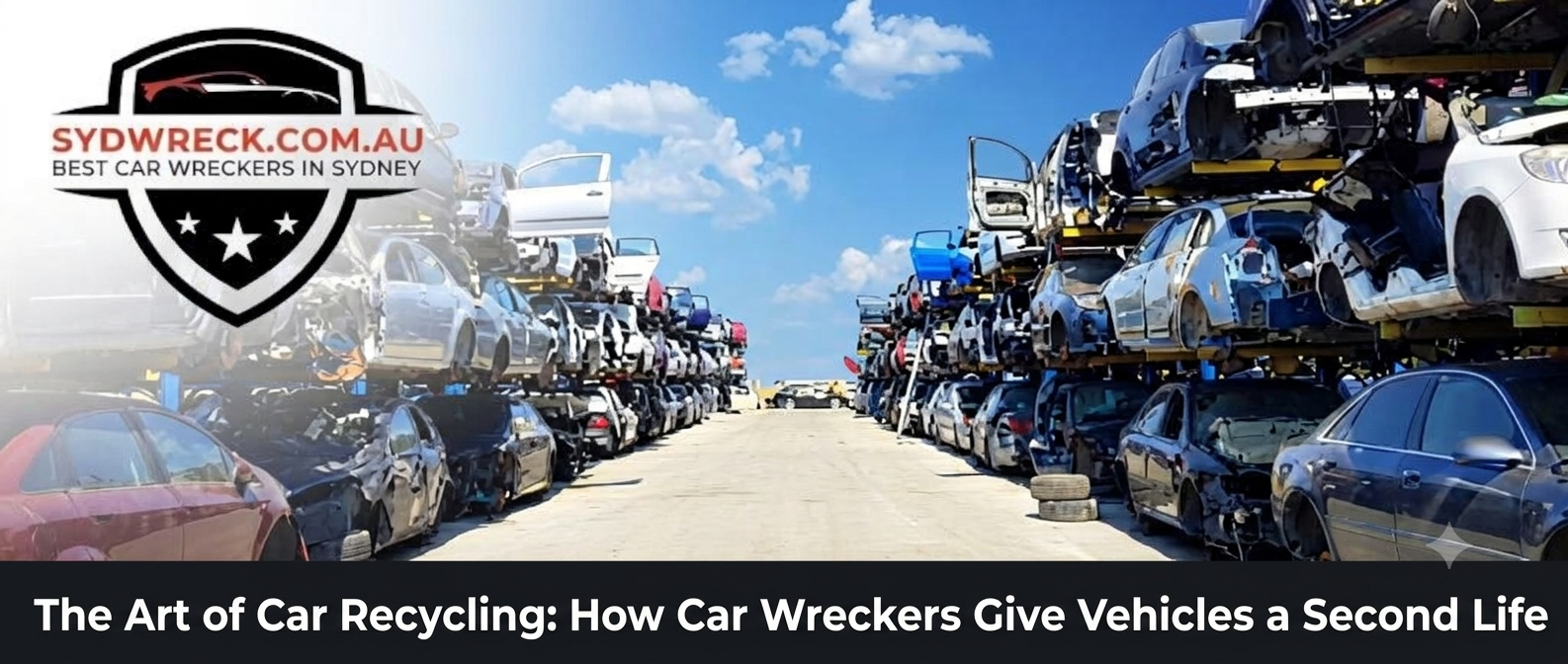
An unwanted vehicle does not necessarily become waste when it reaches the end of its road life. Through careful assessment, dismantling and material recovery, many of its components can find another purpose. Sydwreck, an automotive recycling business serving Sydney, helps vehicle owners understand the options available for unwanted cars and the role of vehicle dismantling in recovering usable parts and materials.
But what actually happens after an old or damaged car reaches an auto wrecker? The process involves much more than removing a few components. It requires identifying reusable parts, separating different materials and handling vehicle waste appropriately.
A vehicle contains a combination of metals, plastics, rubber, glass, electronics and mechanical components. These materials cannot all be processed in the same way. The recycling process generally involves several stages.
1. Vehicle Inspection and Assessment
The first stage is understanding the vehicle’s condition. An end-of-life car may arrive because of accident damage, mechanical failure, age, corrosion or other problems. An initial assessment helps identify:
- The vehicle’s make, model and manufacturing year
- Major structural or mechanical damage
- Components that may be suitable for reuse
- Missing or damaged parts
- Materials that may be suitable for recovery
Not every component will be reusable. Its condition, safety, demand and compatibility with other vehicles all matter.
2. Removing Fluids and Preparing the Vehicle
Vehicles contain various fluids and materials that require careful handling before dismantling. Depending on the vehicle, these may include engine oil, coolant, transmission fluid, brake fluid and fuel. Batteries and other components may also require separate handling.
This stage is important because uncontrolled leaks or incorrect disposal can create environmental and safety risks.
Electric and hybrid vehicles need additional consideration because their high-voltage systems and traction batteries require appropriately trained personnel and suitable handling procedures.
3. Recovering Reusable Auto Parts
Once the vehicle has been assessed and prepared, suitable components may be removed for inspection and possible resale.
Depending on their condition, examples include:
- Engines and transmission components
- Alternators and starter motors
- Doors, bonnets and boot lids
- Headlights and tail lights
- Mirrors and window regulators
- Wheels and selected suspension components
- Interior fittings and accessories
Recovered parts can provide another option for vehicle owners and repairers who need replacement components.
However, a used component should be checked for its condition, compatibility and suitability before installation. Availability also depends on stock.
You can learn more about the auto wreckers and vehicle recycling process in Sydney or explore the used auto parts available from Sydwreck.
4. Separating Recyclable Materials
After suitable components have been recovered, the remaining vehicle materials can be separated for appropriate processing.
Steel and aluminium are important examples of materials that can enter metal recycling streams. Depending on the available facilities and processing arrangements, other materials such as copper, selected plastics, rubber and glass may also be recovered.
Material separation helps keep suitable resources in circulation rather than treating every part of an unwanted vehicle as general waste.
5. Processing the Remaining Vehicle Shell
Once dismantling and material recovery are complete, the remaining vehicle shell may be sent to an appropriate processing facility. Depending on the facility, machinery can reduce the vehicle shell into smaller material fractions. These are then separated and directed into suitable recycling streams.
The exact process varies according to the vehicle, its materials and the capabilities of the recycling facility.
Why Are Reusable Car Parts Important?
Reusing suitable automotive components is one of the practical ways vehicle recycling supports resource conservation. Consider a vehicle with accident damage to its body panels but an engine or electrical component that remains in suitable condition. Some components may still serve a useful purpose even though repairing the complete vehicle is no longer practical.
Used parts can offer several benefits:
- An additional repair option: Vehicle owners and mechanics can consider suitable second-hand components instead of purchasing every replacement part new.
- Keeping useful components in circulation: Parts that pass the necessary checks may be reused rather than discarded with the vehicle.
- Supporting older vehicle repairs: Used components can be helpful when a replacement part is difficult to source or is no longer readily available.
- Reducing unnecessary disposal: Recovering suitable parts can reduce the number of components discarded during vehicle dismantling.
The important point is that reuse depends on the condition and suitability of each component, not simply its availability.
How Has Vehicle Dismantling Changed Over Time?
Car dismantling has developed alongside changes in vehicle design and automotive technology. Older vehicles often contain relatively familiar mechanical systems, while newer models may include advanced electronics, sensors, driver assistance technology and complex electrical components.
This creates additional considerations during dismantling.
For example, removing a modern headlight or electronic control unit may require more than basic mechanical knowledge. Compatibility, connectors, vehicle specifications and component condition all need consideration.
Electric vehicles introduce further requirements. Their high-voltage batteries and electrical systems cannot be treated like conventional vehicle components. Appropriate training, isolation procedures and specialised handling arrangements are essential.
As vehicles become more technologically complex, safe dismantling and accurate component identification become increasingly important.
Have an unwanted vehicle that may be suitable for recycling? Call 02 9091 3593 to discuss your vehicle and collection options with the team.
What Should Vehicle Owners Know Before Sending a Car for Recycling?
If your vehicle is no longer suitable for everyday use, understanding the collection and recycling process can help you make a more informed decision.
Before arranging removal, consider the following:
- Confirm ownership: Make sure you own the vehicle or have appropriate authority to arrange its sale or disposal.
- Share accurate details: Provide the make, model, year and condition of the vehicle.
- Mention major damage: Explain whether the car has been involved in an accident, suffered flood damage or developed mechanical problems.
- Remove personal belongings: Check storage compartments, the boot and other areas before collection.
- Ask about collection: Confirm towing arrangements, eligibility and access requirements.
- Clarify documentation: Check which ownership and vehicle transfer documents are required.
These steps help establish clear expectations before the vehicle changes hands.
Car Wreckers in Sydney’s Automotive Recycling Industry
Car wreckers provide a practical connection between unwanted vehicles and the recovery of usable automotive resources. When a vehicle reaches the end of its useful life, it may still contain components that can support repairs to other vehicles. Suitable materials can also enter recycling processes after dismantling.
For Sydney vehicle owners, working with an established auto wrecker can provide a way to discuss vehicle removal, potential offers and the recovery of reusable parts.
Sydwreck works with enquiries involving old, damaged, scrap, accident-affected and non-running vehicles. Its services include vehicle collection for eligible vehicles and second-hand auto parts, subject to availability.