
Need to sell an unwanted Suzuki or locate a replacement for your Suzuki auto part? Sydwreck enables Suzuki car owners from Sydney to enquire about assessment, vehicle collection services and second hand auto parts. Regardless of whether your Suzuki is a Swift, Vitara, Jimny, S-Cross or any other Suzuki vehicle, the process begins with giving your Suzuki details or parts for evaluation of the available options.
It’s true that Suzuki vehicles could stay with you for a good number of years before any problem arises, but at some point, accident damages or mechanical problems will compel you to sell the Suzuki. In case you are thinking of selling a damaged or unwanted Suzuki, then you could make an assessment request depending on the details of the vehicle.
What Can You Do With a Suzuki You No Longer Need?
When the cost of repairs becomes higher than the value of having the vehicle, then it is high time one considered other options. One way in which one could go about doing this would be to sell his unwanted Suzuki to have it evaluated. The most suitable next step depends on the vehicle:
Car with major mechanical faults: Share details of the problem to find out whether an assessment is possible.
Suzuki damaged in an accident: Explain the extent of the damage and mention if the vehicle has been declared a write-off.
Older car that is rarely used: Request an assessment before deciding whether to keep repairing or sell it.
Vehicle with missing components: Identify which parts have already been removed, as this can affect its assessment.
Suzuki with Reusable Components: Its condition and the potential recovery of suitable parts may influence the available offer.
There is no fixed value that applies to every Suzuki. The vehicle must be assessed individually, and any offer, towing arrangement and collection time should be confirmed before you agree to sell.
How it Works
Share Your Vehicle Details
Discuss the Available Option
Arrange a Pickup
Suzuki Parts: Match the Part, Not Just the Model
Even if a part works for one Suzuki, it does not automatically fit every model. Different models have been produced for various years and feature different engines, transmissions and variants that use different parts. Just because vehicles appear to be identical, their requirements for specific parts are different. For a more specific stock inquiry, provide:
Details of the vehicle: Suzuki model, year and variant.
Engine and transmission: Information about the engine size or specification and type of transmission if possible.
Description of the part: Name of the part and its part number if available.
Visual reference: If possible, include a picture of the part you want or its label.
Purpose of replacement: In case you do not know which particular part you need, describe whether it is broken, worn out or lost.
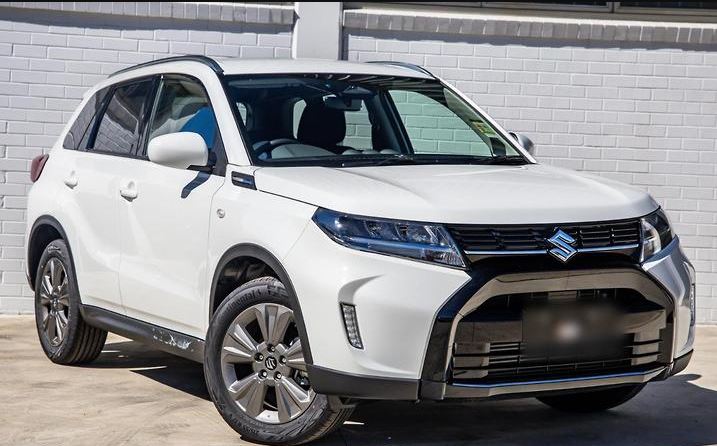
Suzuki Models and the Details That Matter
Suzuki Swift – While enquiring about body panels, light bulbs, engine and electrical parts of a Swift, the customer should state the year and model of the car.
Suzuki Vitara – Enquiries regarding Vitara parts should indicate the year and model of the vehicle with the engine and gearbox specification where possible.
Suzuki Jimny – Suzuki Jimnys have different generations and models. Should one require suspension, drive train, body or interior parts.
Suzuki S-Cross – For S-Cross, indicate the year of manufacture, engine specification and component in question. In case there is a label on the original part provide the same.
Other Suzuki vehicles – Enquiries are also welcome for other models of Suzuki. Provide the identifying information rather than just assuming that a component available for a certain model may also be suitable for your own.
The above is just an example and is aimed at assisting customers to get their enquiries ready. They do not guarantee that a specific vehicle or part is currently available.
Why Similar Suzuki Vehicles Can Have Different Values
Two Suzuki vehicles of the same make and year may be evaluated differently because of the differences in their conditions, fittings, completeness, and their suitability for dismantling.
For instance, some cars may contain reusable parts, whereas others may have been wrecked mechanical parts stripped away from them. In addition, there may be changes in demand for certain parts, as well as differences in the costs of collecting the vehicle.
Some of the things that might affect your appraisal are:
- Mechanical state of the car and whether it runs.
- Degree of any bodywork damage to the car, or any damage due to accidents or the environment.
- Completeness of the car.
- Any chance of recovering usable parts from the car.
- Identification and paperwork of the car.
- The means of collection of the car.
If you are comparing offers, make sure you know what the offers cover and whether any charges for towing etc. have been included. A firm offer is better than an advertised price.