A flood may cause water damage, electrical issues, interior contamination or mechanical problems to the vehicle making it unable to drive properly.
Sometimes, repairing such a car may not be a good idea. Particularly if the repair cost is relatively expensive compared to the condition of the car.
Sydwreck assists the vehicle owners in Sydney to talk about selling or disposing off the flood damaged cars that are either damaged, not working or unfit for regular use.
Can You Sell a Flood-Damaged Car?
Yes, a flood damaged car can be sold or disposed of depending on the state of the car and registration regulations in NSW. It could still have salvageable parts even if it cannot be repaired anymore.
The value that will be paid for the flood damaged car will be dependent on various things like make, model, age of the car, condition of the car, extent of the damage, and the usable parts left. The car that has been subjected to slight flooding is totally different from a car that has been heavily flooded.
Prior to making the arrangements for the sale of your car, please provide correct information regarding the condition of the car.
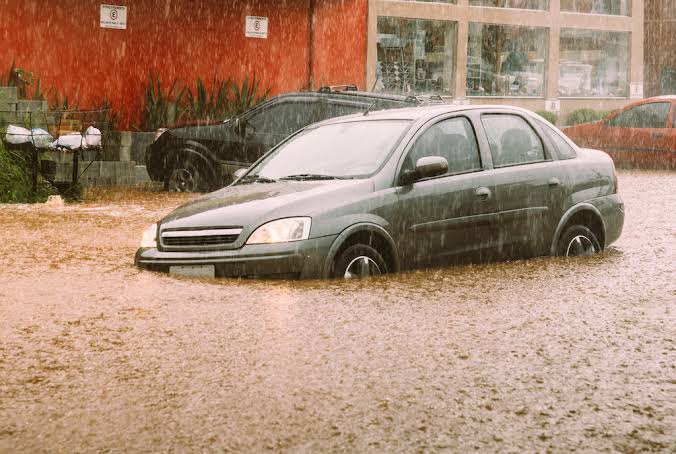
What Can Flood Damage Do to a Car?
It could affect different areas of the car, and the damage could not always be evident right away.
Exposure to floods could damage electrical systems, wiring, sensors, electronic modules, carpets, seats, engine parts, and other mechanical systems. Salt water or flood water could cause additional issues of corrosion and contamination.
The problems could still surface even after the vehicle is dry since moisture could linger in electrical connections and other parts.
This is why a flooded vehicle is not necessarily safe to drive just because the engine runs or the exterior looks fine.
How Does the Process Work?
Share Your Vehicle Details
Provide the make, model, year, location and general condition of the flood-damaged vehicle.
Discuss the Available Option
The vehicle details can be reviewed so that the available selling and collection options can be discussed.
Arrange Collection
Where suitable, collection details and timing can be arranged based on the vehicle’s location, condition and accessibility.
Assessment and Processing
After collection, the vehicle may be assessed and dismantled. While other materials can be separated for appropriate recovery or disposal.
What Should You Do After a Car Is Flooded?
The most important thing is not to put the vehicle through any unnecessary driving until the extent of damage has been evaluated.
In case water has got into the engine, electrical equipment or other key systems of the vehicle, starting and driving the car could lead to even more damage. It would be wise to consider the current state of the vehicle before opting for repairing or selling the vehicle.
The data about the vehicle must be readily available – the brand, model, year of manufacture, registration number and VIN, if possible. Photos of the damaged vehicle might be also necessary in order to describe the current state of the vehicle properly when placing your inquiry.
If the vehicle is not safe to drive, better consider collection or transportation issues.
Should You Repair or Sell a Flood-Damaged Car?
The most suitable choice should depend on how much damage there was and how much repair will cost.
In case of a car that was not very much flooded, then repairing it after assessment might make sense. If the damage to the car is very much, with serious electrical, mechanical, or interior damage, then the repair cost could be high.
You should consider:
- Extent of damage – how far into the vehicle did the water get?
- Age of the vehicle – is it a new vehicle or almost at the end of its lifetime?
- Repair requirements – do major electrical/mechanical parts require repair or replacement?
- Value of the vehicle – is the cost of repair greater than the value of the vehicle?
- Safety – has the vehicle been assessed after the flood?
There is no one-size-fits-all answer for all flooded vehicles. The important thing is to understand the situation first.
Why Consider a Wrecker for a Flood-Damaged Car?
Although a flood-damaged vehicle might no longer be able to serve its function as a typical road vehicle, there are still parts within the vehicle that might be useful through recovery.
There could be a wrecker for vehicles that could be used as an alternative to simply letting the vehicle lie unused, or undergoing a series of repairs that might not be appropriate.
Some advantages of the process may include:
- Vehicle retrieval: A non-functioning vehicle may be retrieved instead of driving it.
- Component retrieval: Appropriate components may be found that could possibly be recycled.
- Material retrieval: The vehicle may be broken down to extract various materials that could be processed.
- Disposal: There will be a systematic process for dealing with unwanted vehicles.
It will all depend on the type and condition of the vehicle.
NSW Written-Off Vehicle Considerations
A flooded car might also end up being written off in some cases. NSW Government website further reveals that “some vehicles that have been damaged due to flooding or other types of events can be listed in the Written Off Vehicle Register” though not all the damaged vehicles need to be listed.
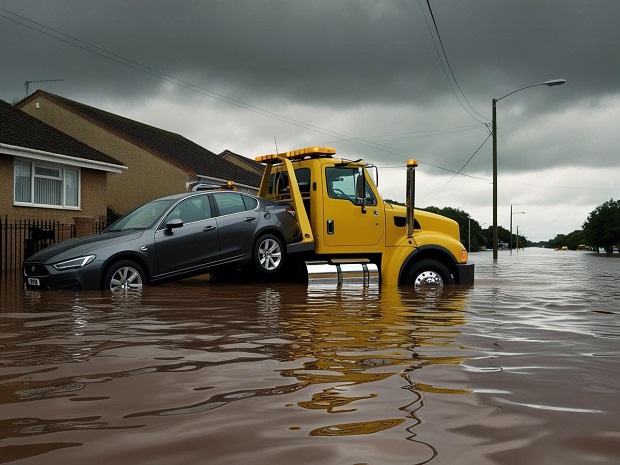
For this reason, owners of the vehicles must be aware of the state of their car.
The process of registration may differ according to the circumstances. According to the Service NSW, “a Notice of Disposal is needed for NSW-registered motor vehicles being sold or disposed of,” but the requirements may differ for the cars sold to wreckers according to certain criteria.
Frequently Asked Questions