The process of disposing of a vehicle is more than just identifying where you will dump the old car. When disposing of a vehicle, consider its value, how it will be transported and what is required to complete the handover. Sydwreck works with the owners of vehicles in Sydney to help them make inquiries concerning the disposal of their cars.
Whether a car has reached the end of its useful life or its repair costs exceed its resale value, the owner can explore suitable disposal options. Depending on the status of the car, some components of the vehicle may be harvested for re-use, while others may be sorted out for recycling.
When Should You Consider Disposing of a Vehicle?
When a car needs costly repair work, has been damaged extensively, or has not been used for some time. There might come a point where keeping the vehicle is no longer economical. Disposing of the vehicle via a suitable auto demolition and recycling service could then become worthwhile.
You can inquire about vehicle disposal for:
- End-of-life cars: Vehicles that have reached the end of their practical service life.
- Scrap vehicles: Cars with extensive deterioration or damage that may have limited repair value.
- Non-running vehicles: Cars affected by engine, transmission or other mechanical problems.
- Accident-damaged cars: Vehicles that have sustained collision damage and need assessment.
- Unregistered vehicles: Cars that are not currently registered, subject to ownership and transport requirements.
- Older vehicles with reusable parts: Cars that may contain components suitable for assessment and recovery.
The right option depends on the vehicle’s condition, ownership status and any applicable restrictions. If your car has been declared a statutory write-off, check the relevant NSW Government written-off vehicle guidance before arranging its disposal.
How It Works Car Disposal Process
Car disposal typically includes evaluating the car, making arrangements for its disposal, moving it carefully, and delivering it to a proper place for dismantling and/or recycling.
Share Your Vehicle Details
Collection Arrangements
Prepare for Vehicle Handover
How to Prepare Your Car for Disposal
A little preparation can help avoid delays and make the handover more straightforward.
- Remove personal belongings. Check the glovebox, boot, door pockets and storage compartments. Remove personal documents, electronic devices, toll tags and other items you want to keep.
- Gather the relevant documents. Prepare proof of ownership and identification where required. Ask which documents are needed for your particular vehicle and circumstances.
- Explain the vehicle’s condition. Tell the team about major mechanical faults, accident damage, missing parts or any known safety concerns. Accurate information helps the team assess the vehicle and plan suitable transport.
- Check access for collection. Make sure the pickup location can accommodate the required recovery vehicle. Mention height restrictions, limited access or other obstacles before the appointment.
- Confirm the final arrangements. Clarify the agreed offer, towing terms, collection timing and payment method before handing over the vehicle.
These steps help both parties understand what has been agreed and reduce the likelihood of unexpected issues during collection.
Responsible Vehicle Dismantling and Recycling
An end-of-life vehicle may contain reusable components, recyclable materials and substances that require careful handling. Proper dismantling will allow for the separation of such materials instead of disposal of the whole vehicle as normal garbage. Depending on the vehicle, the process may involve:
- Assessing components for potential reuse.
- Recovering suitable metal and other recyclable materials.
- Separating parts that are damaged or unsuitable for further use.
- Handling batteries, oils, coolants and other vehicle fluids through appropriate procedures.
- Sending recovered materials to suitable downstream recycling or processing facilities.
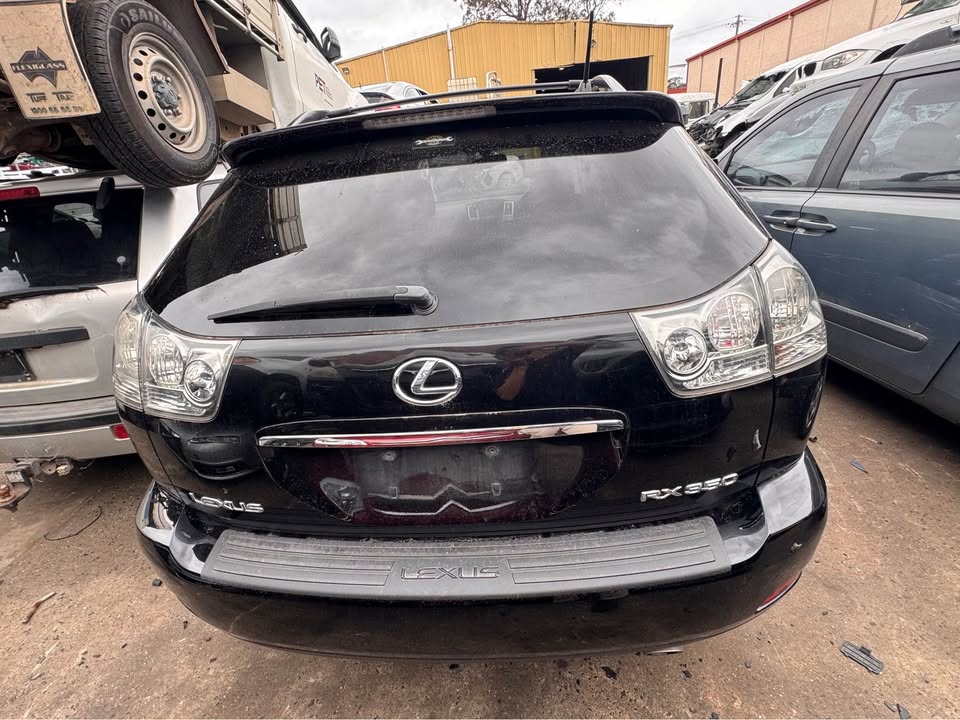
The process itself will depend on the state of the vehicle and the service doing the disposal. The point of responsible disposal is resource recovery and avoiding unnecessary waste, but that doesn’t imply all parts can be recovered and reused.
If you are considering disposal of your vehicle due to major flood, fire, or accident damage, let that be known when making your request for assessment.
Why Arrange Car Disposal Through Sydwreck?
A vehicle disposal process should be accompanied by information regarding the vehicle, collection procedure, and future actions. Sydwreck offers enquiry services to dispose of unused cars in Sydney, giving the vehicle owner an opportunity to talk about the situation.
- Vehicle-specific assessment: Share your car’s details so the available options can be considered.
- Different vehicle conditions: Enquire about old, scrap, damaged and non-running vehicles.
- Collection discussions: Ask whether transport can be arranged from your location.
- Clear terms before handover: Confirm the offer, towing eligibility and payment arrangements in advance.
- Parts recovery and recycling: Suitable vehicles and components may be directed towards reuse and material recovery.
Acceptance, payment and collection depend on the vehicle and the arrangements confirmed with the team. Contact Sydwreck to find out what options are available for your car.
NSW Registration and Vehicle Disposal Responsibilities
Disposing of a car might not only be limited to physically disposing of the car. In the event of selling or transferring ownership of a car, one needs to be aware of the pertinent information regarding ownership, registration, and notifications.
Prior to the handing over of the car, it is important to:
- Ensure that one has the legal right to sell or dispose of the car.
- Find out what identification and proof of ownership one needs.
- Find out if there is a notice of disposal requirement or other registration process needed in the situation.
- Document the transaction and payment, if there is any.
- In case of a car write-off, check the restrictions set in NSW prior to proceeding.
If your vehicle has been classified as a write-off, confirm its status and check the applicable NSW requirements before arranging disposal.
Frequently Asked Questions